
Why Sevierville Concrete Needs to Handle Freeze-Thaw Cycles
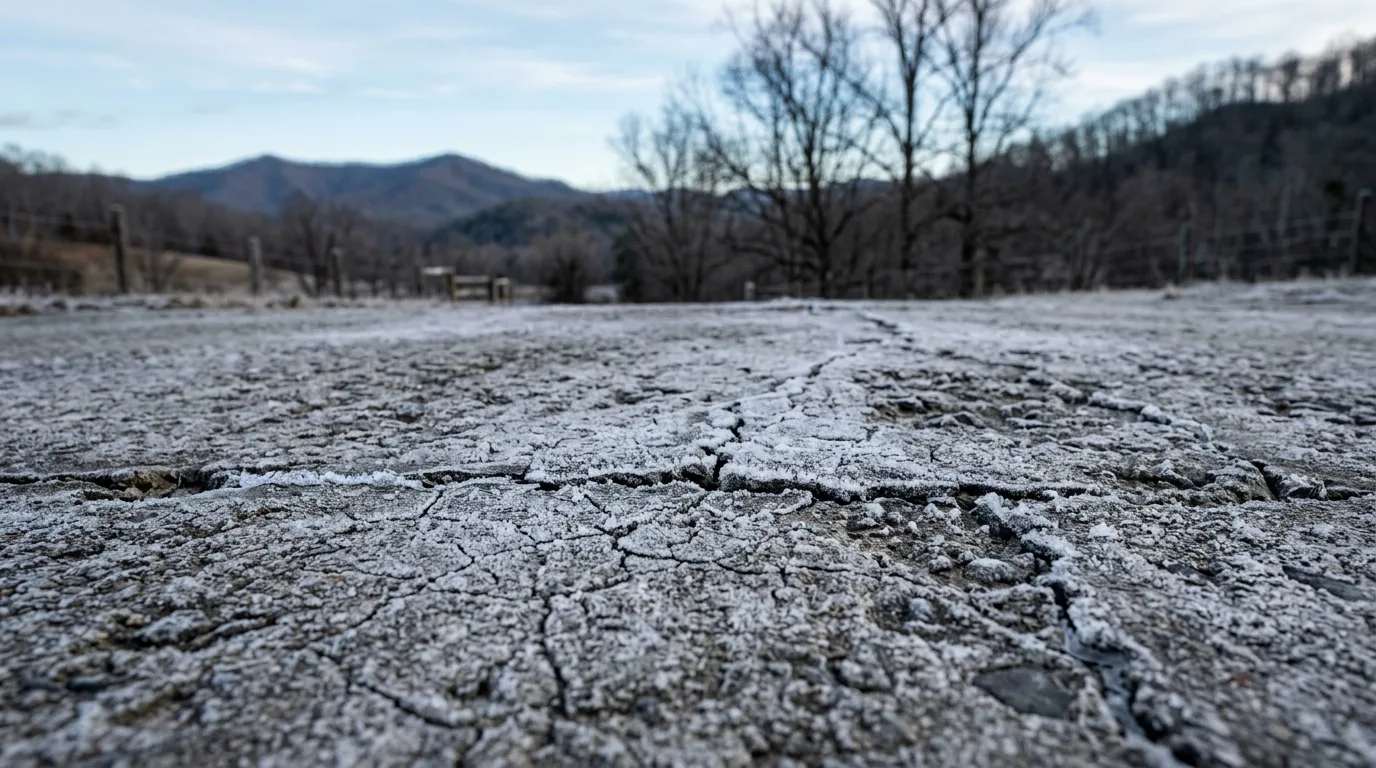
Every spring in Sevierville, homeowners discover that their driveways, patios, and walkways look worse than they did in October. Cracks have widened. The surface has pitted or flaked in patches. What looked like minor surface wear in fall has become clearly visible damage after winter. The cause is almost always the same: freeze-thaw cycling. Understanding how it works — and what prevents it — is the difference between concrete that lasts 30 years and concrete that needs major repair within a decade.
In this post, we cover how East Tennessee’s specific climate creates freeze-thaw conditions, how each cycle damages concrete, what installation specifications prevent it, and what signs indicate freeze-thaw damage has already started on your Sevierville property.
Is Your Sevierville Concrete Freeze-Thaw Ready?
We assess existing concrete and specify the right mix and sealer for your climate. Free consultation for Sevier County properties. Call (888) 376-0955.
Why East Tennessee’s Climate Is Uniquely Damaging
Sevierville sits at the convergence of two weather patterns that create exceptionally frequent freeze-thaw cycling. January daytime highs in East Tennessee regularly reach the mid-50s°F — warm enough to melt surface moisture and allow water to infiltrate through concrete pores and existing cracks. By midnight, temperatures drop into the low 20s°F. That 30°F swing within a single 24-hour period produces a complete freeze-thaw cycle.
This is more frequent than most homeowners realize. Unlike northern climates where temperatures stay below freezing for weeks at a time, Sevierville’s winter pattern of relatively warm afternoons and very cold nights means a single month can produce 15–20 freeze-thaw cycles. Over a typical Sevierville winter (December through February), concrete may experience 40–60 of these events. Each one creates mechanical stress inside the concrete matrix.
Properties near the Little Pigeon River and throughout the Five Oaks area also experience higher ambient moisture levels that compound freeze-thaw damage, as wetter concrete absorbs more water before the freeze cycle begins.
How Freeze-Thaw Damage Works
Water expands by approximately 9% when it freezes. When water infiltrates concrete through unsealed pores, hairline cracks, or control joint gaps, that expansion creates internal pressure greater than the tensile strength of the cement paste around it. The cement fractures microscopically — then heals with slightly less integrity when the water melts. Repeat this 40 times in a winter, and the cumulative damage becomes visible as surface spalling (flaking), widening cracks, and eventually structural delamination.
The damage pattern is recognizable: surfaces begin with a rough, pitted texture as the surface cement paste breaks down; then chunks of aggregate become exposed; eventually chunks of concrete break away entirely from the surface layer. In Sevierville driveways and patios near Governor’s Crossing, where foot traffic accelerates surface wear, this progression from first visible damage to needing resurfacing can happen within 5–7 years on improperly specified concrete.
What Prevents Freeze-Thaw Damage at Installation
Air-entrained concrete
Air entrainment is the most important freeze-thaw protection available at the installation stage. Air-entrained concrete contains millions of microscopic air bubbles intentionally introduced into the mix. These bubbles act as relief valves — when water in adjacent pores freezes and expands, the expansion pushes into the nearby air void rather than fracturing the cement paste. The result is concrete that maintains structural integrity through hundreds of freeze-thaw cycles rather than failing after dozens.
For all exterior flatwork in Sevierville — driveways, patios, walkways, slabs — air-entrained concrete is not optional. It’s the minimum appropriate specification for East Tennessee’s winter climate.
Proper water-cement ratio
Concrete with excessive water in the mix is weaker and more porous — more water creates more pathways for moisture infiltration. Properly batched concrete with an appropriate water-cement ratio produces a denser matrix with fewer pathways for water entry. This matters when evaluating bids: contractors who add water to concrete at the job site to make it easier to work with are trading long-term durability for short-term convenience.
Adequate curing time and protection
Concrete poured in cold weather (below 50°F) requires protection from freezing before it has achieved sufficient strength to resist freeze-thaw damage. Freshly placed concrete that freezes within the first 24 hours is damaged permanently — it will never achieve its design strength. Cold-weather concrete work in Sevierville requires insulating blankets or heated enclosures, making December–February pours more complex and expensive to execute correctly.
Penetrating sealers applied at installation
Sealing exterior concrete in Sevierville at the time of installation — and resealing every 3–5 years — prevents moisture from entering the concrete matrix in the first place. A high-quality penetrating silicone or silane-siloxane sealer bonds into the concrete rather than forming a surface film, blocking water infiltration without sealing out vapor. This eliminates the primary mechanism of freeze-thaw damage on sealed surfaces.
Protect Your Sevierville Concrete from Freeze-Thaw Damage
From correct mix design to proper sealing, Sevierville Concrete installs flatwork that stands up to East Tennessee winters. Get a free estimate.
Signs of Freeze-Thaw Damage on Your Sevierville Property
Look for these indicators after each Sevierville winter:
Surface spalling: Concrete is flaking away in thin layers, exposing the coarse aggregate below. A pitted, rough texture that wasn’t there a year ago. This is classic freeze-thaw damage — the surface cement paste has fractured from repeated expansion cycles.
D-cracking: A pattern of closely spaced cracks near slab edges and joints, following a curved or “D” shape. This pattern is a specific signature of freeze-thaw distress in the aggregate particles, common on concrete that has been in service for 10+ years without sealing.
Widening cracks: Cracks that were narrow in fall have opened noticeably by spring. Water entered, froze, and expanded the crack further. Without repair and sealing, the cycle accelerates.
Pop-outs: Small conical holes in the surface where a piece of aggregate has “popped out.” Caused by water absorbed into a specific aggregate particle freezing and fracturing the surrounding cement paste.
If you’re seeing any of these patterns, concrete repair is warranted before the next winter accelerates the damage further.
Frequently Asked Questions
Does Sevierville get enough freeze-thaw cycles to matter?
Yes — significantly. East Tennessee’s pattern of cold nights and mild afternoons produces more freeze-thaw cycles per winter than northern climates where temperatures stay below freezing for extended periods. Sevierville typically experiences 40–60 complete freeze-thaw events per winter. For unsealed concrete, this accelerates surface damage faster than most homeowners anticipate.
Is sealing concrete in Sevierville really necessary?
For any exterior concrete that will face Sevierville winters — driveways, patios, sidewalks, slabs — yes. Sealing prevents moisture infiltration that drives freeze-thaw damage. It also prevents staining, protects color in decorative concrete, and reduces long-term maintenance costs. Reseal every 3–5 years to maintain protection. Learn more in our concrete sealing and maintenance guide for Sevierville.
What should I do if my Sevierville concrete already shows freeze-thaw damage?
Have it assessed before the next winter. Surface spalling and D-cracking identified in spring can often be addressed with resurfacing or targeted repair rather than full replacement — but only if the sub-base is structurally sound. Waiting another winter allows cracks to widen further and water to undermine the base. See our concrete repair service page for what repair options are available for freeze-thaw-damaged concrete in Sevierville.
Related: